
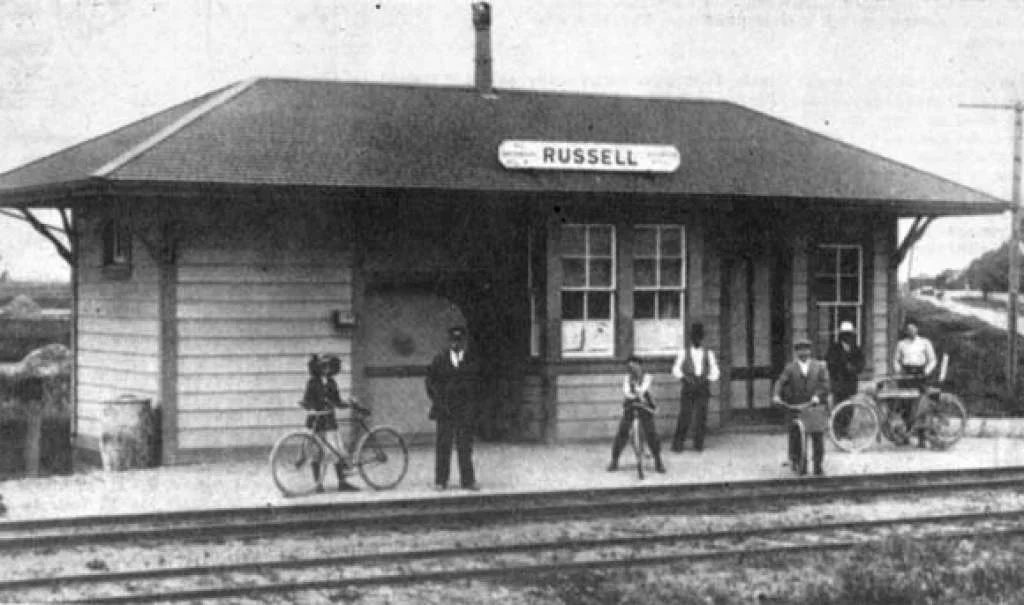
Russell City's train depot
The Human Archive: Reconstructing a Displaced Community through Ethnography
For my Master’s in Anthropology, I undertook a complex historical reconstruction of Russell City, California. This project required more than just data collection; it demanded a deep level of community trust-building and investigative rigor to capture the narratives of a displaced population.
High-Touch Recruitment & Grit
To locate and engage former residents, I executed a grassroots recruitment strategy that mirrors the challenges of sourcing "hard-to-reach" user segments in UX:
Cold-Outreach & Community Integration: I canvassed neighborhoods, attended local cultural events, and utilized cold-calling to build a participant funnel from scratch.
Building Rapport: I successfully gained access to a tight-knit community, demonstrating the interpersonal agility required to conduct research in sensitive or emotionally charged environments.
Advanced Moderation & Foundational Inquiry
I conducted 16 in-depth, 1:1 ethnographic interviews, refining a moderation style that I bring to every user research session today:
Active Listening & Tactical Silence: I honed my use of open-ended questions and intentional silence, allowing participants the psychological safety to move beyond surface-level answers to uncover deep-seated motivations and memories.
Contextual Sensitivity: By meeting participants in their own environments, I practiced Contextual Inquiry, observing how physical surroundings and personal artifacts triggered richer, more accurate data.
UX Application: This fieldwork taught me that the most valuable "user data" often lives in the silences and the stories that aren't immediately offered. I apply this same lens to UX—looking past what a user says they do to understand the underlying cultural and emotional drivers of their behavior.
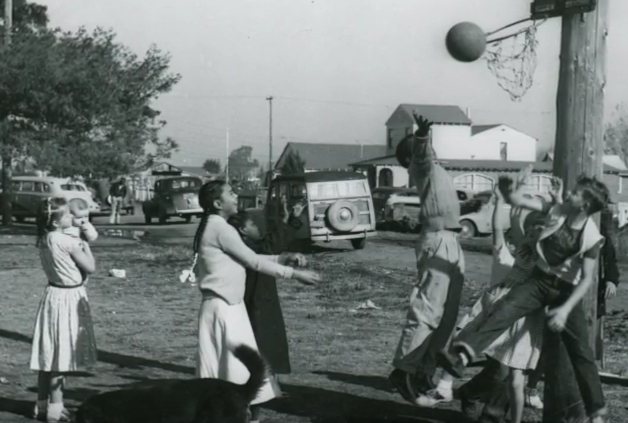
“It was a nice community where everyone watched out and helped out for one another. When one person was in trouble, we were all in trouble. It was like one big family in Russell City. When our house burned down, the neighbors across the street invited us to stay in their house.”
Russell City, CA: A Case Study in Cultural Intersectionality
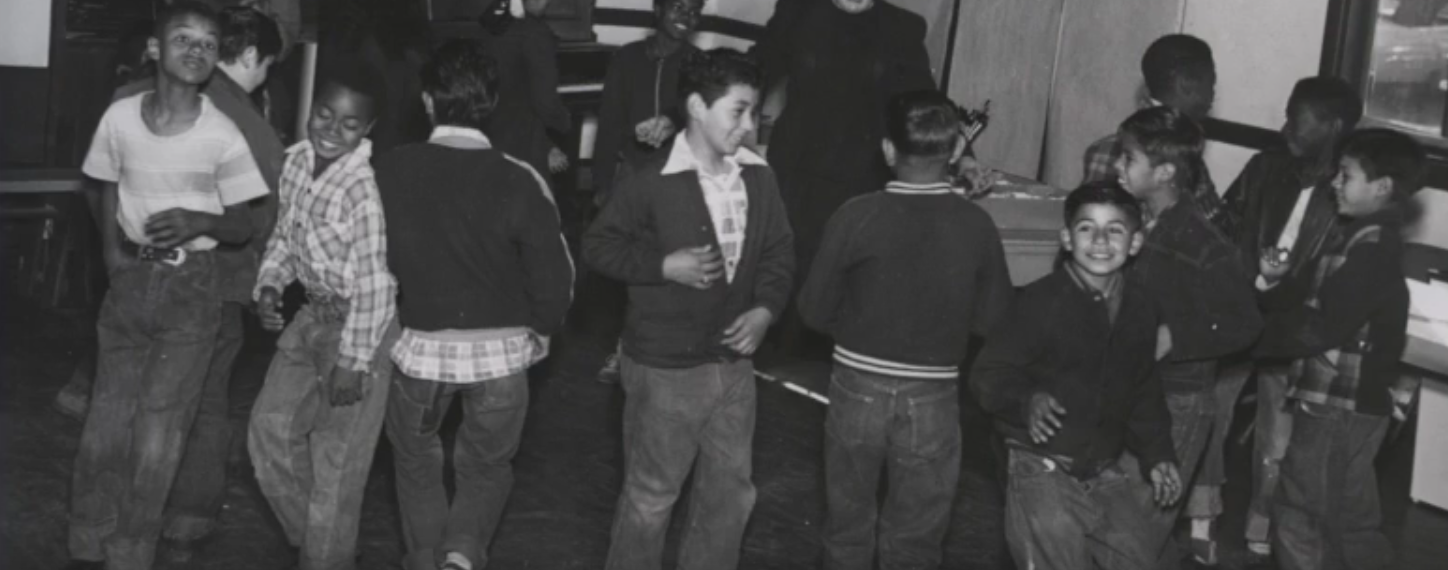
Before it was a memory, Russell City was a vibrant microcosm of the California experience. My research traced its evolution from a mid-19th-century Danish farming settlement into a rich, multi-ethnic enclave.
Demographic Shift: By the late 1930s, the community underwent a cultural transformation. African American and Latino American families integrated with the descendants of the original European settlers, creating a unique socio-economic landscape.
Research Challenge: This shift meant that the "narrative" of the town wasn't a single story, but a tapestry of different cultural perspectives. In my ethnographic work, I had to account for these varying mental models and historical truths, ensuring that no one group’s experience was erased.
UX Application: This taught me the importance of inclusive sampling in research. Just as Russell City thrived on its diversity, a product only succeeds when it is tested and validated by a representative cross-section of its actual user base.
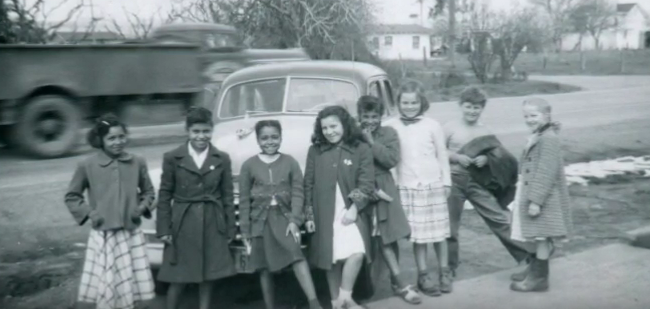
Resilience Through Self-Governance
Despite never being an incorporated entity, Russell City functioned as a prime example of organic community building. Lacking formal municipal support, the residents developed their own informal systems to maintain civic order and social cohesion.
User-Led Infrastructure: The community self-governed and provided its own essential services, demonstrating a profound level of collective agency.
Blues Music Scene: Cultural vibrancy was one of the town’s primary exports. The legendary blues scene served as a social touchpoint, creating a shared identity and high engagement within the community. This taught me that the "soul" of an experience is often found in the informal spaces—the moments of joy and connection that occur outside of a rigid system.
The Research Lesson: My work with Russell City focused on systems thinking. I sought to understand how a group of people could build a functional, thriving society in the absence of traditional "top-down" governance.
UX Application: Just as Russell City residents created their own civic safety nets to fill a gap, I look for where users create "hacks" or manual workarounds in a digital product. Those workarounds are the clearest indicators of where a formal design is failing to meet human needs.
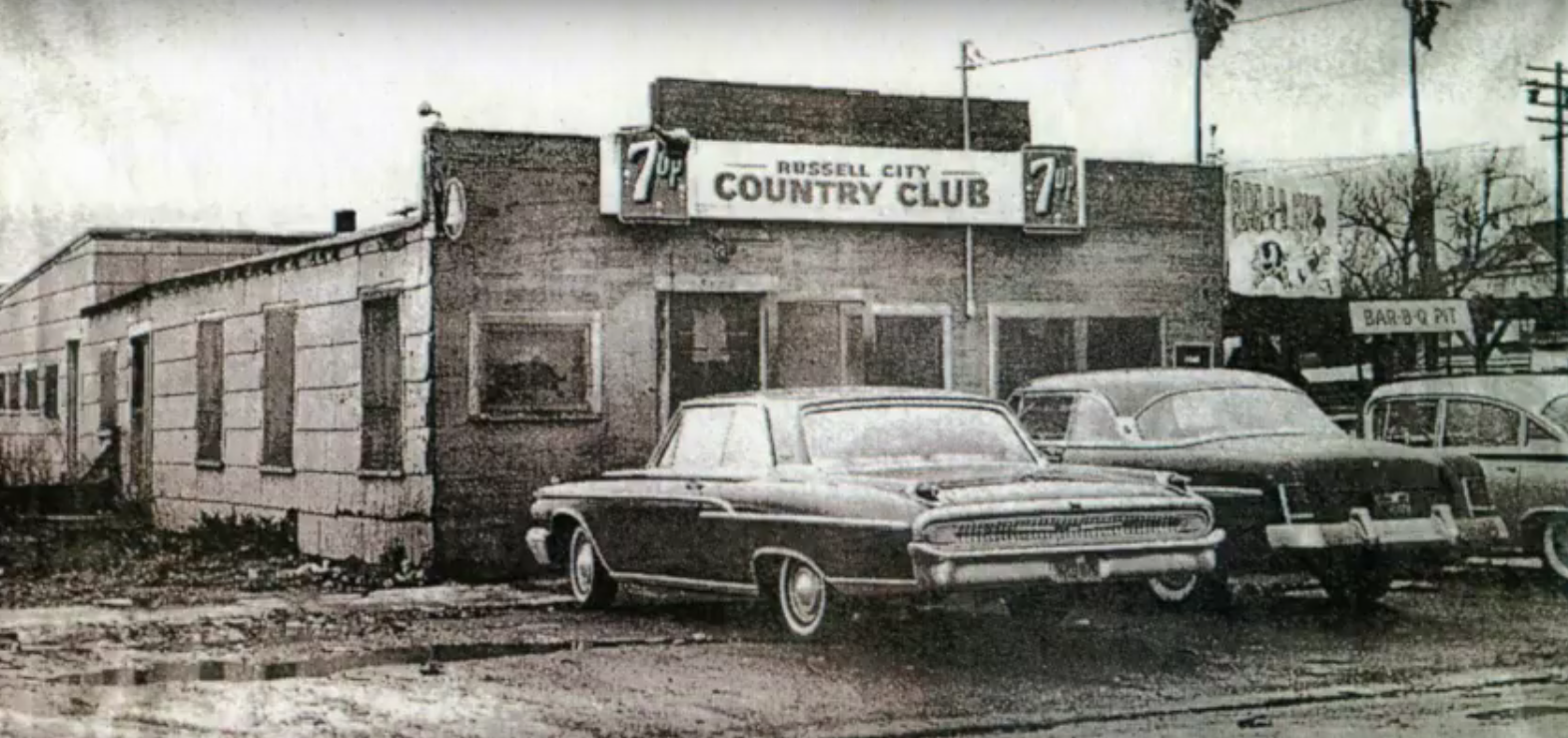
Big-name blues musicians often played at the Russell City Country Club.
“There were some excellent musicians that lived in Russell City. My cousin played guitar and my neighbor was a pianist. Jimmy McCracklin even played at Mrs. Alves’ nightclub down the street. ”
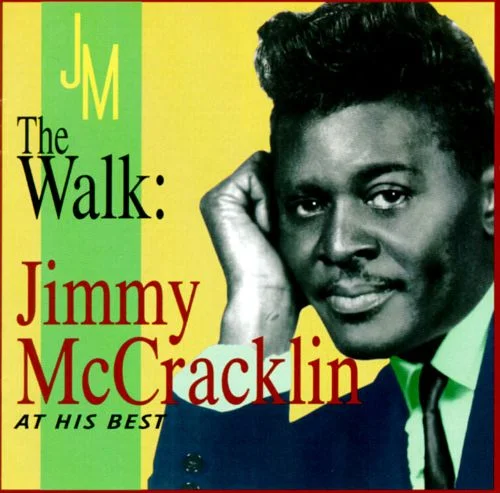
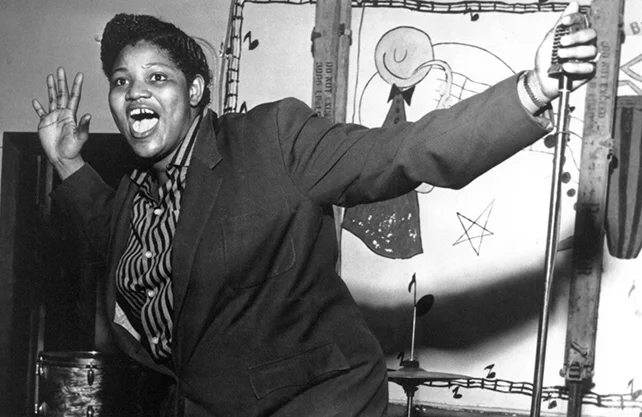
Big Momma Thornton was one of the many talented artists that graced Russell City's blues clubs.
“We were always in the bars, even as young adults, because the bars had TVs. We wouldn’t get kicked out because we never started trouble. I saw Big Momma Thornton and Muddy Waters perform in Russell City!”
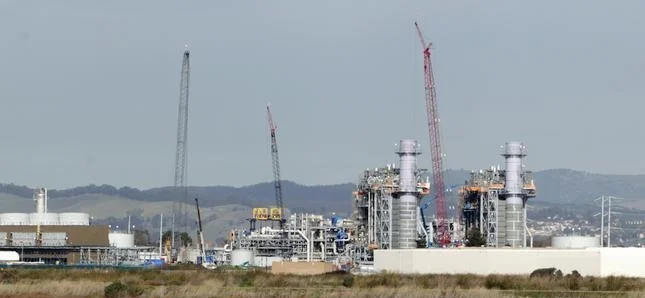
The Russell City Power Plant. Photo credit: Anda Chu, East Bay Times Staff
The Erasure of Russell City: A Lesson in Systems-Level Ethics
The final chapter of Russell City serves as a powerful reminder of what happens when policy ignores human-centric data.
Label of "Blight": In the early 1960s, surrounding municipalities categorized the community as a "blight"—a label often applied when outsiders fail to see the internal value of a self-sustaining system.
Forced Relocation & Systematic Deconstruction: In 1963, Alameda County initiated the forced relocation of all residents. The entire community was bulldozed, and the land was re-zoned for industrial use, destroying residents’ cherished community in favor of an industrial area and eventually a power plant.
Research Imperative: My work involved post-facto reconstruction of Russell City. Because the physical site was gone, I had to rely entirely on the human archive—the memories and lived experiences of the displaced. This sharpened my ability to conduct invisible UI research, where the most important insights aren't visible on a screen but exist in the user’s mental and emotional landscape.
UX Application: Russell City is a case study in ignoring the needs of the user. When we re-design or sunset a product without understanding the community built around it, we risk destroying social capital. This history informs my ethical framework as a researcher: I advocate for the user to ensure that innovation never comes at the cost of human dignity.
“Russell City residents faced an uphill battle if they wanted to save their town. At the time of takeover, the fire department was defunct, they had no access to legal representation as we know it today, and PG&E would not turn on electricity to new homes being built. There is still a lot of bitterness about how it got handled among the ex-residents. ”
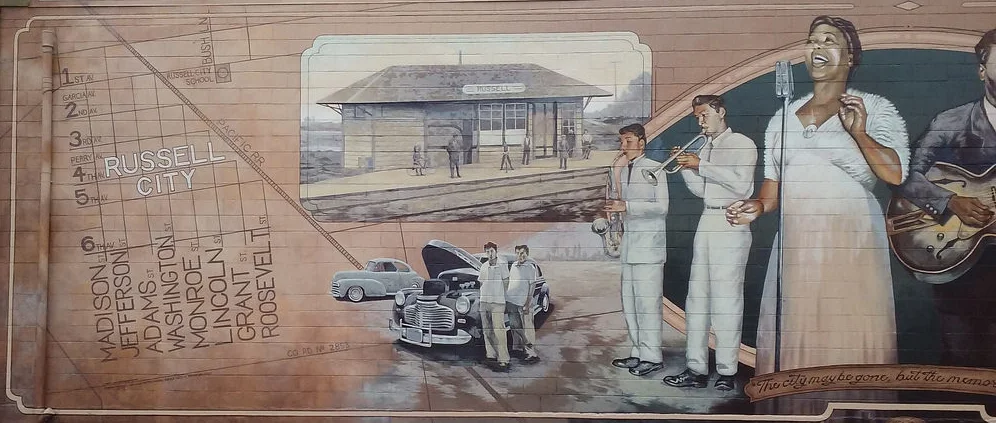
Mural commemorating Russell City by artist Josh Powell, in present-day Hayward, CA.
Though Russell City was physically dismantled, its community cohesiveness proved indestructible. The preservation of its narratives, material culture, and traditions serves as a testament to the resilience of a community that refuses to be "sunsetted."
From Ethnography to Celebration
This enduring community spirit manifests annually in the Russell City reunion picnic, as well as the Hayward-Russell City Blues Festival. Both events are living prototypes of the original town’s vibrancy.
Community Ties: The picnic acts as a recurring community meetup for a displaced population, proving that the human connection is the most durable feature of any system.
Music as a Touchpoint: The festival keeps the "Blues Scene" alive, serving as a primary link to the town’s historical identity.
Research Takeaways: Designing for Permanence
The story of Russell City has deeply influenced my approach to UX Research. It taught me that while interfaces (the "physical" city) may change or disappear, the emotional utility (the stories and connections) is what users truly value.
Resilient Narratives: My role as a researcher is to identify these "unbreakable" human needs so that even as technology evolves, the core value proposition remains intact.
Advocating for the "Human Essence": In every project, from Serenity to History Now!, I seek to build products that don't just solve a task but contribute to a sense of community and belonging.
I am grateful for the grant support of the San Francisco Chapter of the Awesome Foundation as well as The Pollination Project which allowed me to expand on my original research.
Click here to order my original book on Russell City.
Also, see my project on Russell City in the news:
"Russell City: A forgotten town that used to be in Hayward" by Joshua Akintomide and Benjamin Lal. The Pioneer. February 7, 2018.
"Russell City: A Self-Governed African American Town" by Dr. Niccolo Caldarao. The Daily Kos. April 21, 2013.
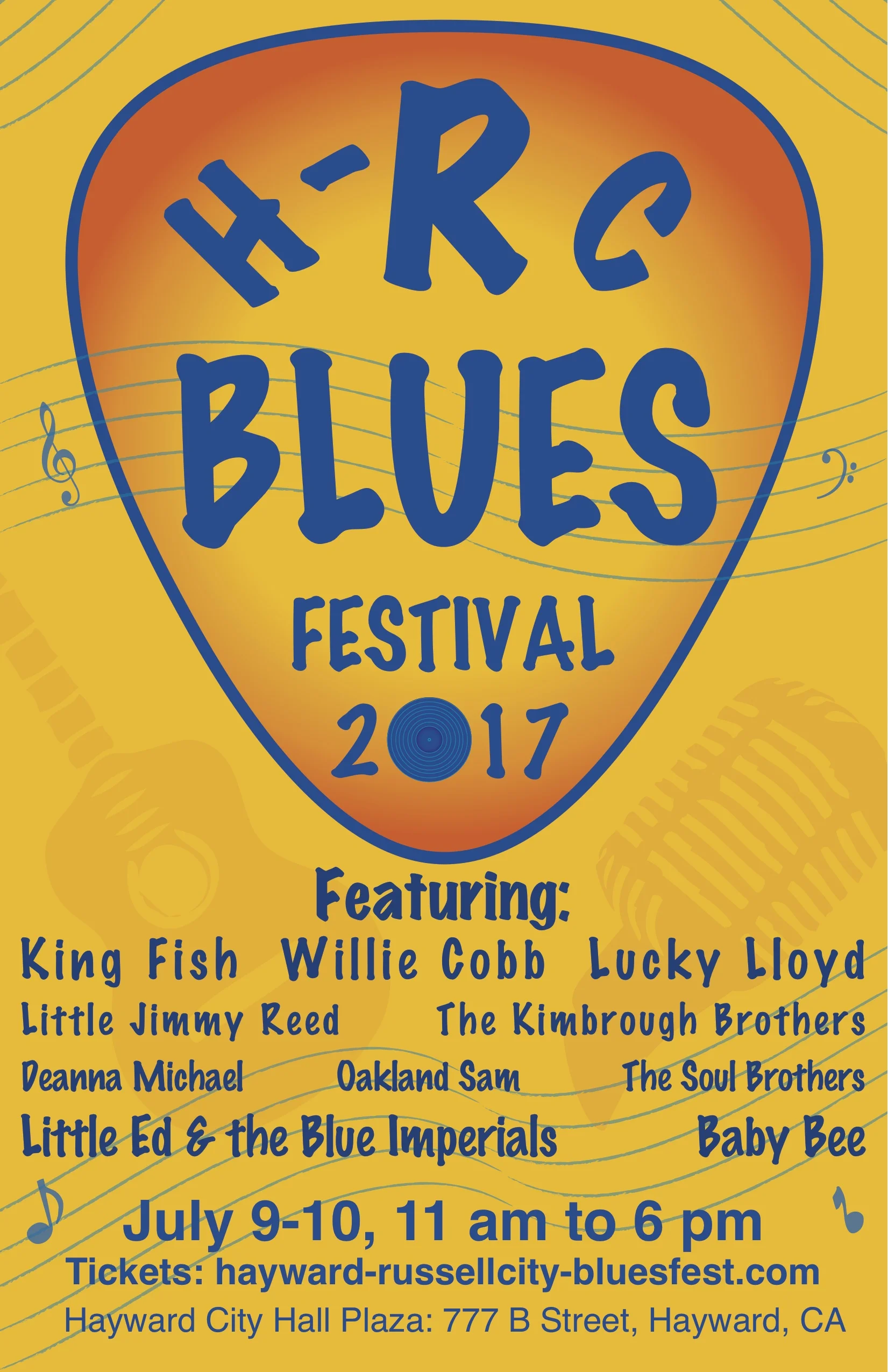
I created this poster with Adobe Illustrator in honor of the Hayward-Russell City annual Blues Festival